A five-star resort floating on the ocean — have you ever been tempted by an ultra-luxury cruise?
Once you actually start looking into booking one, figuring out cruise cost is usually where the confusion begins.
But when you compare offers across different cruise lines, the base fare alone often doesn’t tell you what you’ll really spend.
Here’s a breakdown of the cost structure and what sets each cruise line apart.

This guide breaks down exactly what’s included in cruise cost versus what gets billed separately.
It also covers the different cruise line types — from Royal Caribbean to Silversea and Regent Seven Seas — along with their onboard amenities.


What Makes Up Cruise Cost?
The short answer: cruise cost can’t be judged by the base fare alone.
Cruise cost refers to your total spending — the base fare plus meals, facility fees, onboard gratuities, beverages, shore excursions, and more.
Even if the listed price looks cheap, your actual expenses can add up quickly if there are a lot of extra charges once you’re onboard.

Typically, the base fare covers your cabin, main dining room and buffet meals, some shared facilities like the pool and fitness center, and theater shows.
On the other hand, specialty restaurants, alcohol and some beverages, Wi-Fi, spa treatments, and shore excursions can cost extra depending on the cruise line and package.
The same goes for onboard gratuities.
Some cruise lines charge them automatically, while others build them into the fare upfront — and some luxury lines include several services from the start.

✔ Compare cruise cost accurately by separating what’s included in the base fare from what costs extra.
✔ Gratuity policies vary by cruise line — some auto-charge, some include it in the fare, and some cover it fully.

✅ Cruise line and ship class
✅ Trip length and cruise region
✅ Cabin category — interior, ocean view, balcony, or suite
✅ Whether beverage and Wi-Fi packages are included
✅ Whether shore excursions are included
✅ Pre- and post-cruise flights and hotel costs
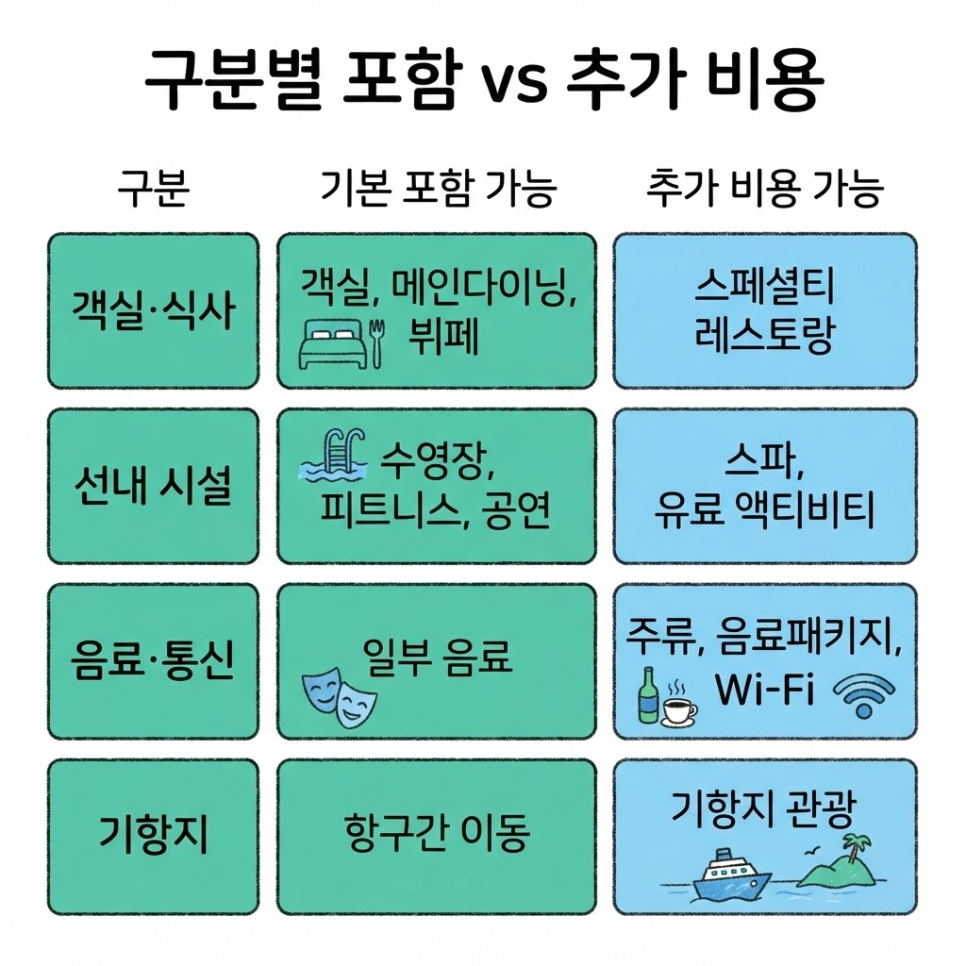
| Category | Typically Included | May Cost Extra |
|---|---|---|
| Cabin & Dining | Cabin, main dining room, buffet | Specialty restaurants |
| Onboard Facilities | Pool, fitness center, shows | Spa, some paid activities |
| Beverages & Connectivity | Some basic beverages | Alcohol, beverage packages, Wi-Fi |
| Ports of Call | Sailing between ports | Shore excursion programs |

So it’s best to calculate cruise cost by factoring in everything you’ll spend by the end of the trip — not just the base fare.
Timing matters too.
Popular itineraries and cabins sell out early, and promotional terms change over time, so if you have a specific trip in mind, start comparing options well in advance.
How Do Cruise Line Types Differ?
The short answer: cruise line types are mainly divided by the onboard atmosphere they’re going for and their ship size.
Cruise line types generally fall into three tiers: mainstream large cruise lines, premium cruise lines, and luxury cruise lines.
So rather than picking a well-known name at random, it helps to first think about who you’re traveling with and what kind of experience you want onboard.
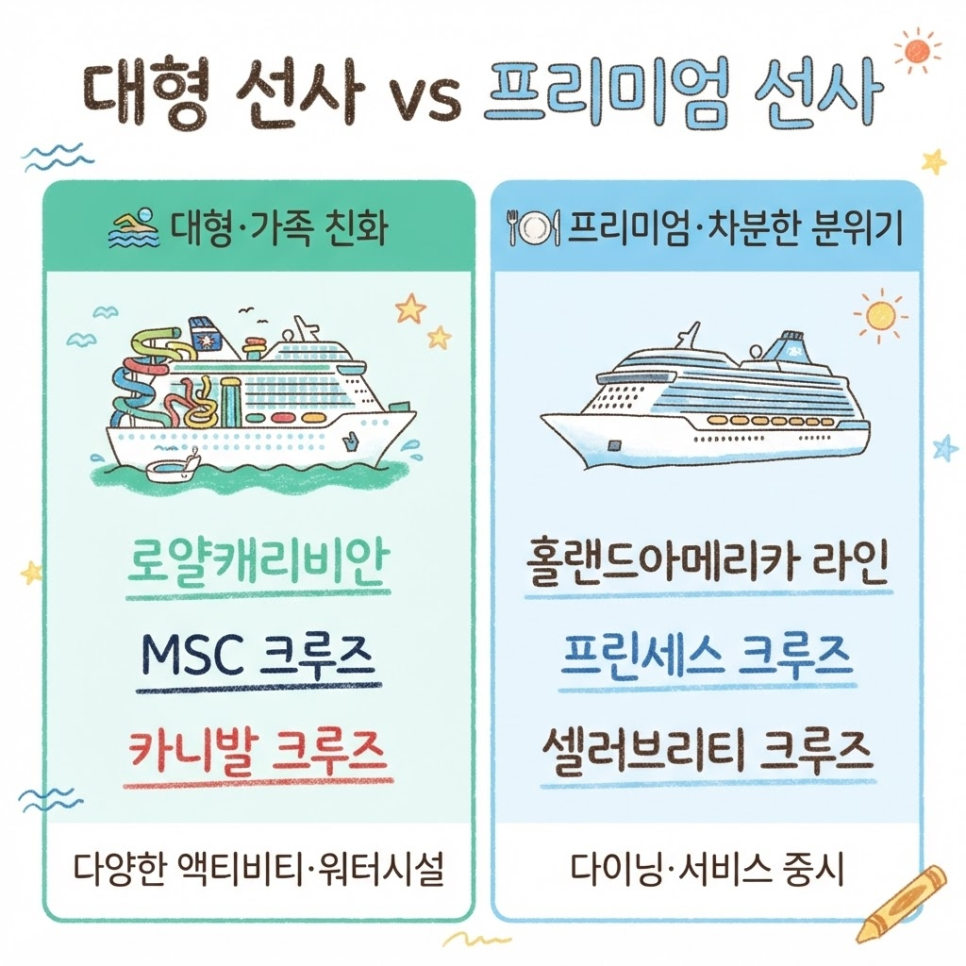
If you prefer large ships and a wide range of activities, Royal Caribbean, MSC Cruises, and Carnival Cruise Line are worth a look.
Together with Carnival Corporation and Royal Caribbean Group, they’re regarded as part of the ‘Big Four’ companies leading the global cruise market.
They offer everything from major attractions like waterslides to kids’ programs, giving families plenty of options.
If a calmer atmosphere and dining matter more to you, premium lines like Holland America Line, Princess Cruises, and Celebrity Cruises are worth comparing.
They suit travelers who’d rather enjoy a relaxed onboard mood, quality meals, and cultural programs than flashy activities.

✔ Silversea — Every cabin is a suite, and every guest gets dedicated butler service.
✔ Regent Seven Seas — An all-inclusive line covering unlimited shore excursions, premium beverages, gratuities, and even valet laundry.
✔ Seabourn — According to its official site, it operates small ships carrying 458 to 600 guests, with all-suite accommodations and attentive service.
What Makes Luxury Cruise Lines Different?
The short answer: luxury cruise lines prioritize concentrated, high-touch service over sheer scale.
A luxury cruise is a small or mid-size ship with a high crew-to-guest ratio, designed to deliver personalized service.
According to Silversea’s official site, its crew-to-guest ratio is nearly one-to-one, with butlers handling everything from unpacking to serving dinner on your balcony.
Regent Seven Seas’ all-inclusive fare covers unlimited shore excursions, premium beverages, and spa access, which keeps extra charges to a minimum.
Seabourn, per its official materials, operates small ships carrying up to 600 guests, all with suite accommodations and an open-bar policy.
The examples of Silversea, Regent Seven Seas, and Seabourn described above show how these particular lines have chosen to prioritize dining and service quality — though this reflects each line’s individual approach rather than a pattern that applies to luxury cruise lines as a whole.
What Onboard Amenities Can You Use?

The short answer: onboard amenities vary widely by cruise line and ship.
Onboard amenities cover all the dining, activities, and relaxation spaces available to you during your sailing.
What sets a cruise apart from a typical package tour is that the trip doesn’t only begin once you reach a destination — the time spent sailing to the next city is part of the experience too.

✅ Dining — buffet, main dining room, specialty restaurants, cafes, bars
✅ Activities — waterslides, rock climbing, sports facilities, and more
✅ Relaxation — pool, jacuzzi, spa, sauna
✅ Entertainment — theater shows, live music, onboard programs
✅ Amenities — duty-free shops, kids’ club, and more
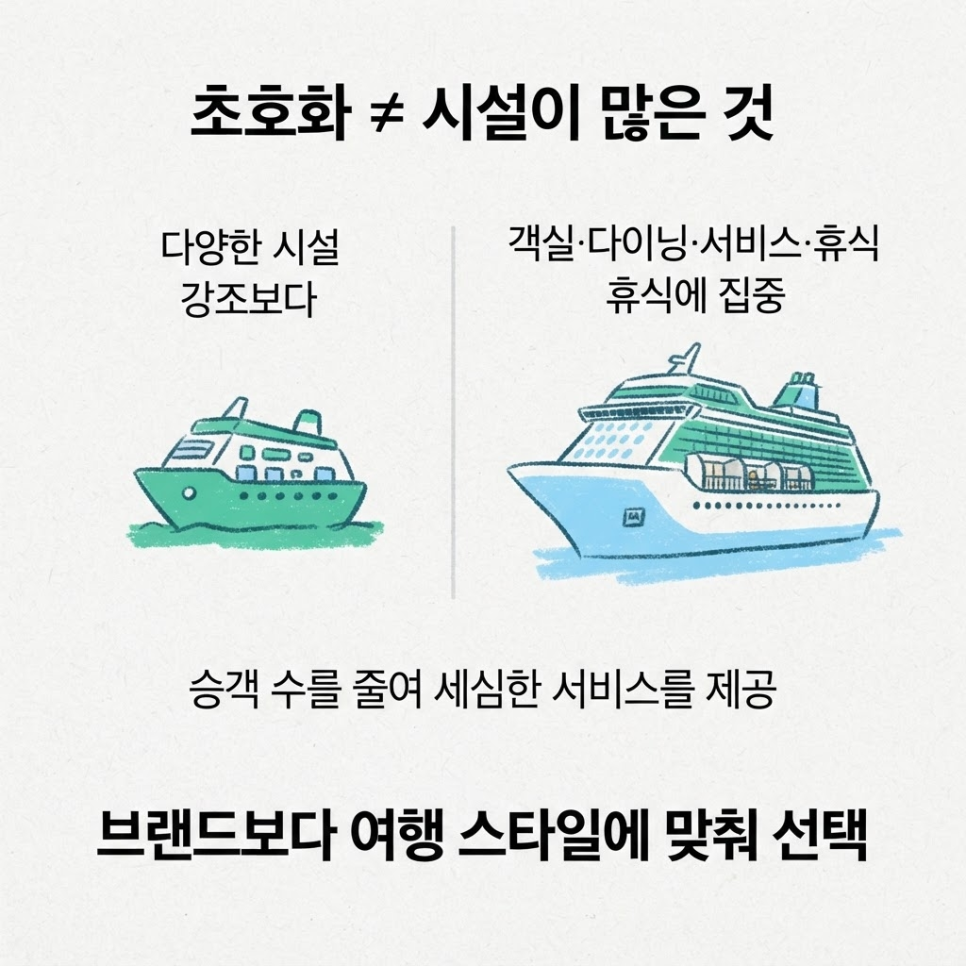

⚠ An ultra-luxury cruise doesn’t necessarily mean lots of big attractions like water parks.
⚠ Some luxury lines carry fewer passengers and focus more on cabins, dining, and relaxation — so check the actual amenities of the ship you’ll board, not just the brand name.
① Get an accurate cruise cost by looking at the base fare plus any extra charges.
② Large mainstream lines suit family trips, while premium and luxury lines suit a more relaxed getaway.
③ Amenities can differ by ship even within the same cruise line, so check the specific ship you’ll be sailing on.
If you’d like to compare cruise costs and features across cruise lines yourself, check out [Dr. Cruise] No-Markup Premium Cruise Travel Home for more details.
Frequently Asked Questions
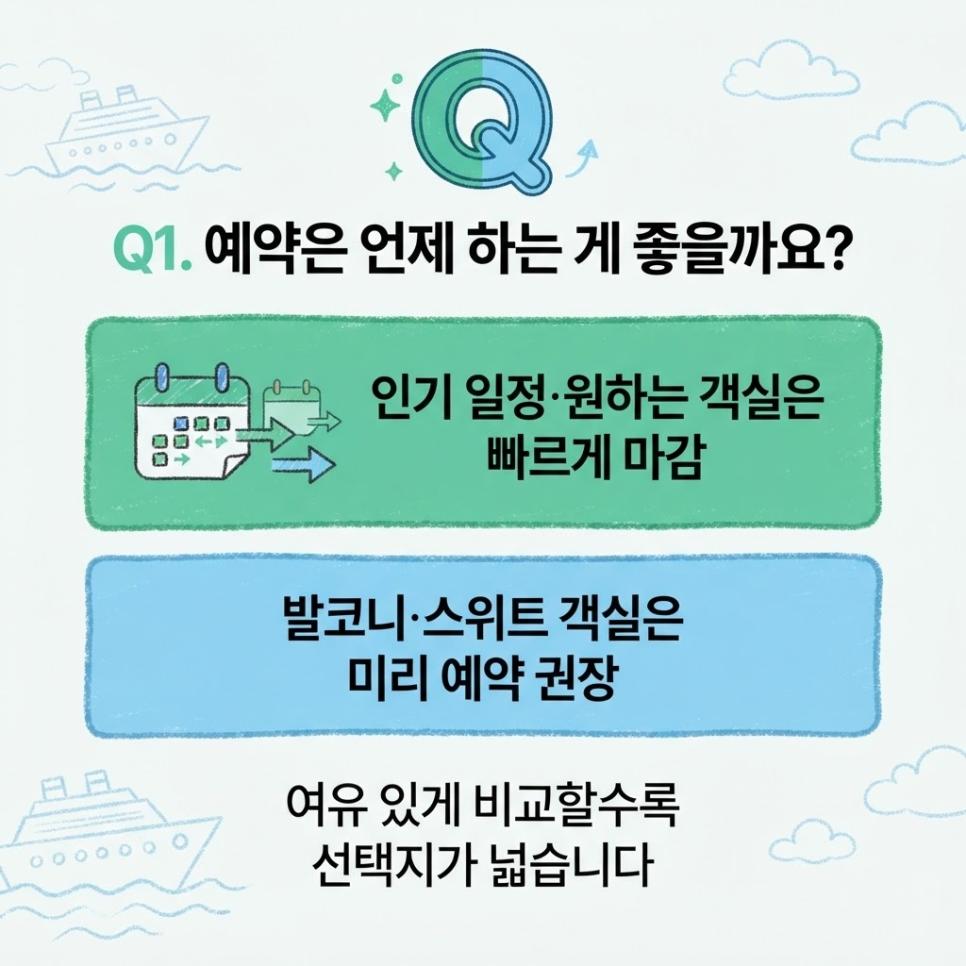
1. When’s the best time to book an ultra-luxury cruise?
If you have a popular itinerary or specific cabin in mind, it’s best to book well in advance. Balcony and suite cabins in particular fill up fast, so booking early gives you more options.

2. Can I still cruise if I get seasick easily?
Large cruise ships are equipped with stabilizers that help reduce side-to-side rocking from waves, so motion tends to be minimal. That said, rougher weather can still cause some movement, so if you’re prone to motion sickness, it’s a good idea to prepare in advance.

3. Does cruise cost include beverages and alcohol?
It depends on the cruise line and package. Some beverages are included by default, but alcohol and beverage packages are often extra, so be sure to check what’s included before booking.
4. Which cruise line type is best for first-timers?
For family trips, look at large mainstream lines with a wide range of activities. If relaxation and service matter more, consider premium or luxury lines. Choose based on who you’re traveling with and your travel style.
References
· Travel Times, “[Cruise Special] The ‘Big Four’ Cruise Lines Leading the Global Market… New Challengers Join In,” Travel Times, 2024. View source
· Regent Seven Seas Cruises, “All-Inclusive Cruises,” RSSC official website. View source
· Silversea, “Onboard Personalized Service,” Silversea official website. View source
· Seabourn, “Luxury Cruise Ships,” Seabourn official website. View source
This article is for general informational purposes only and is not a substitute for advice tailored to your individual situation.